



Chemical Peels
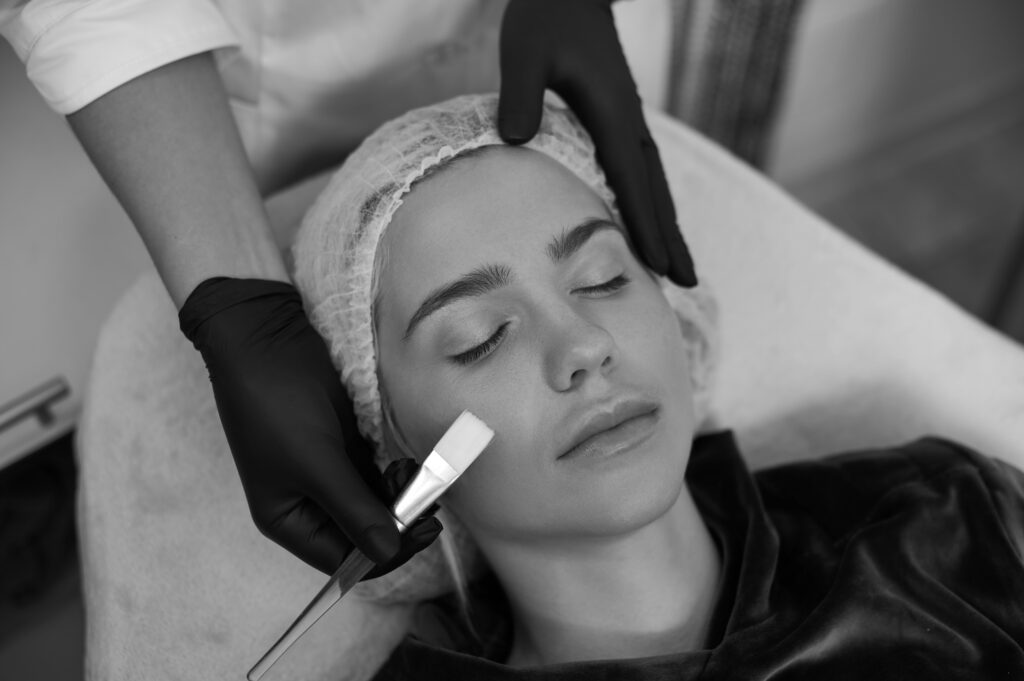
Chemical peels are chemical solutions used to remove the damaged outer skin layers to improve appearance and smooth out the texture.

What are CHEMICAL PEELS?
Chemical Peels are popular and effective face and body treatments that gently remove the damaged outer-layer skin to reveal brand-new, vibrant underlying skin. This is an extremely popular cosmetic treatment and some solutions (peels) are of a medical grade to maximise the effective treatment of blemishes, wrinkles and uneven skin pigmentation.
The precise formula of each peel, the length of exposure to the skin and the type of acid used can be adjusted in our medical peels to determine the actual depth of the peel, level of patient comfort and how best to meet each patient’s specific needs and goals. The science around peels has advanced significantly over the last decade and with light, medium and deep peels on the market there are many strengths and types of peels to choose from. Speak to our team of experienced aestheticians and doctors to find out which one of our world-class peels will best address your concerns, is suited to your skin and will give your skin a brand new youthful glow.
Optional additions to facials / Medical Facials offered:
- Neostrata 20% / 35% Glycolic / Mandelic Anti-Ageing Peel
- Neostrata Retinol 3% Peel
- Lamelle Lactifirm hydration Peel
- Lamelle Beta 15% / 20% Acne / Pigmentation Peel
- SkinCeuticals Pigment Balancing Peel
BENEFITS OF
CHEMICAL PEELS
BENEFITS OF CHEMICAL PEELS
• Treat acne
• Minimize pores, smooth skin and improve the skin’s texture
• Soften wrinkles and erase fine lines
• Fade and treat skin discolouration and pigmentation conditions
• A non-invasive, in-office treatment
WHAT OUR CLIENTS SAY
CONDITIONS
Uneven skin pigmentation is caused by an overproduction of melanin. Sometimes our skin have dark and discoloured spots due to an over-exposure to UV rays. Spots can also be a result of post-inflammation conditions caused by acne.
These darker patches or spots of skin is caused by excessive sun exposure and is one of the most common forms of hyperpigmentation. Their propensity and appearance generally increase with age due to years of sun exposure.
Acne can be a distressing and embarrassing skin condition for teens, young adults, and few middle aged people. Hormones stimulate the production of oil in the skin and sometimes the excessive production can result in breakouts or acne.
Our skin starts to struggle to keep its moisture as we age which causes tight skin with a dull skin tone. Dry skin tends to be more sensitive and can be aggravated by factors like extreme weather and air-conditioning. Early treatment will reduce the patient’s chances to fast aging skin, eczema and other skin conditions.
FREQUENTLY ASKED QUESTIONS
No, there are different peels with different chemical compositions and they target and treat different skin conditions. Acne generally responds well to peel with salicylic acid while stronger peels are used for wrinkles, blemishes and pigmentation problems. There are also medical grade peels and cosmetic peels on the market so ensure you consult expert advice around selecting one that is right for you.
This depends on whether you opt for a quick rejuvenating peel, medium peel or a deep medical peel. Lunchtime peels will take 1 to 7 days to heal, medium peels can take up to two days and deep medical peels can take between 2 and 3 weeks to heal. Each one of these has its own post-care procedures and on lighter peels you’ll have no down-time while deep medical peels requires bandaging, anti-viral medication and sun avoidance for 3-6 months.
Medium and deep peels will require downtime for recovery.
Chemical peels have been used by Dermatologists for over 50 years and they have an excellent safety record.
This depends on the type of peel you and your doctor choose to do. A light peel will take 1 day for results to show, and you might need 3-5 peels before you see significant visible results. A deep peel can take 14 days to heal and reveal effects.
Be sure you follow the post-care instruction from your doctor to prevent infection, scarring or even long term damage to your skin. Some of the precautions after you peel include:
- Stay out of the sun and away from tanning beds and tanning
- Care for the skin as indicated by your doctor
- Never scratch or pick peeling and flaking skin
- Do not apply make-up before haling is complete
